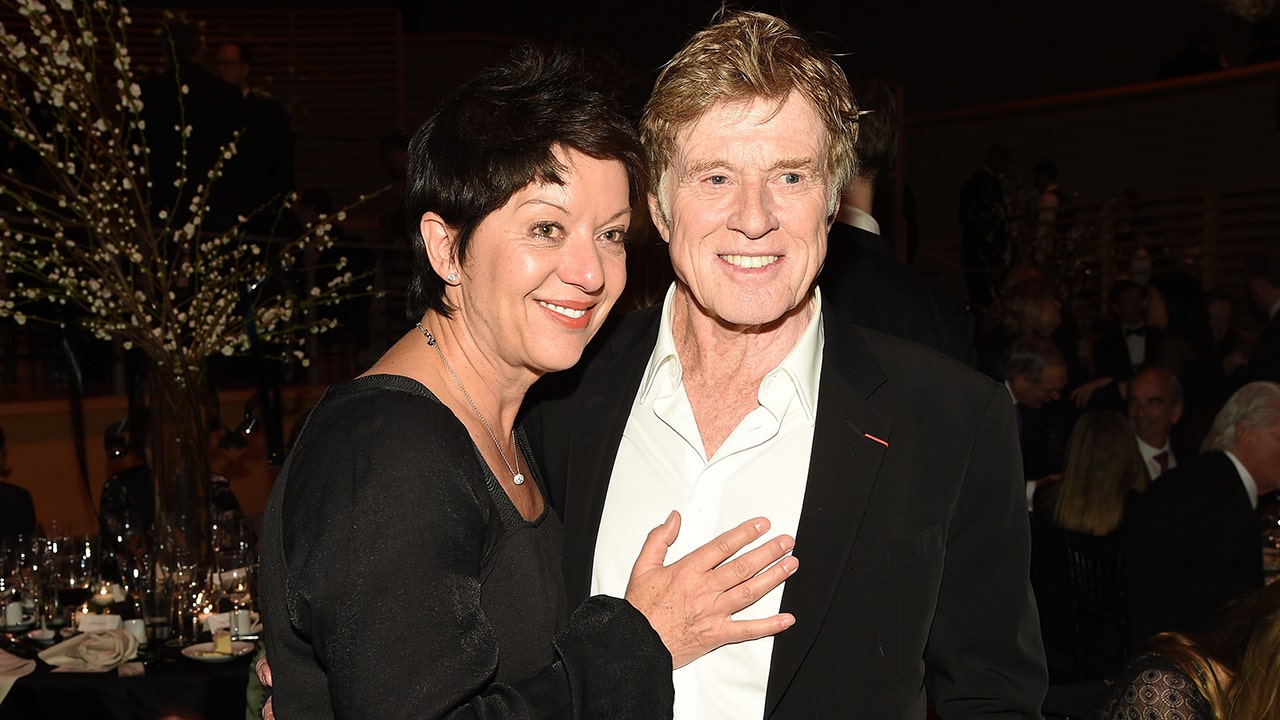
Hilary Swank’s parents are Judy Kay Swank, commonly known as Judy Swank, and Stephen Michael Swank. Her mother played a central role in her early acting career, moving with her to Los Angeles when Hilary was a teenager so she could pursue acting opportunities. Her father served in the Air National Guard and later worked as a traveling salesman. Hilary’s accounts of their family history highlight her mother’s determination and the sacrifices involved in trying to establish an acting career with limited resources.
Introduction: Who Are Hilary Swank’s Parents?
Hilary Swank’s parents are Judy Kay Swank and Stephen Michael Swank. Their backgrounds were different: Judy worked as a secretary and had an interest in dance, while Stephen served in the military’s Air National Guard before working as a traveling salesman.
The family’s story became closely connected to Hilary’s acting ambitions when she was a teenager. After her parents separated, Judy moved with Hilary from Washington state to Los Angeles so her daughter could pursue acting opportunities. The move involved considerable financial uncertainty, and published interviews describe a period when mother and daughter had very little money and stayed in a car and borrowed accommodation.
A 2010 profile in the Los Angeles Times highlighted Judy’s belief in her daughter’s abilities and the practical steps she took to help Hilary find acting opportunities. Earlier reporting by CBS News also described Judy as the parent who most directly supported Hilary’s decision to pursue Hollywood.
Stephen’s military background forms another part of Hilary’s family history, although he was less directly involved in the move to Los Angeles. Later in life, Hilary also spoke publicly about taking time away from her career to care for her father after he underwent a lung transplant.
Together, these details provide a more complete picture of the family behind an actress who went on to win two Academy Awards.
What Happened? The Family Story Behind Hilary Swank’s Hollywood Journey
Hilary Swank was born on July 30, 1974, in Lincoln, Nebraska. She spent much of her childhood in Washington state, where she developed interests in acting and sports.
Her parents, Judy and Stephen, helped shape her early environment, but their marriage eventually ended in separation. When Hilary was around 15 or 16, Judy made the consequential decision to move with her daughter to Southern California.
The goal was to give Hilary a better chance of pursuing professional acting. The family did not arrive in Los Angeles with the financial security usually associated with Hollywood careers. Instead, they faced the challenge of finding auditions, making contacts and covering basic living expenses while Hilary tried to establish herself.
In a 2010 Los Angeles Times profile by Amy Kaufman, Hilary credited her mother with believing in her potential and encouraging her to keep working toward her goal. The article described how Judy researched talent agencies and helped her daughter contact people in the industry.
This was not a guarantee of success. Acting careers can involve years of rejection and uncertain income, especially for young performers. Judy’s decision nevertheless gave Hilary the opportunity to pursue the work she wanted to do.
Stephen’s story followed a different path. His Air National Guard service and later work in sales formed part of the family’s background, while Hilary’s public comments about caring for him in adulthood revealed another dimension of their relationship.
👩 Who Is Judy Swank, Hilary Swank’s Mother?

foxnews.com Judy Swank encouraged Hilary to pursue acting and accompanied her to Los Angeles during her teenage years. Image searches may return different family photographs; verify identities before publication.
Judy Kay Swank, usually called Judy Swank, is best known publicly as Hilary’s mother and an important supporter of her acting career.
Biographical accounts describe Judy as having worked as a secretary and having an interest in dance. However, the most widely documented part of her public story is her decision to help Hilary pursue acting when the family had limited resources.
Judy’s decision to move to Los Angeles
When Hilary was a teenager, she had become serious about acting. Judy believed that Los Angeles offered better opportunities to pursue that ambition than their home in Washington state.
The move came around the time Hilary’s parents separated. In a 2005 interview with CBS News, Hilary described leaving for California with her mother when she was about 15 and a half. She recalled that they had very little money and that they stayed in their car for a period before finding other accommodation.
The details illustrate the practical side of supporting a young performer. Judy was not simply offering encouragement from a distance. She was helping her daughter navigate auditions and make connections in an unfamiliar city.
How Judy helped Hilary find acting opportunities
In the 2010 Los Angeles Times profile, Hilary described how her mother obtained a directory of talent agencies and helped contact agents. They spent time trying to get responses from industry professionals and secure auditions.
Such work may seem ordinary compared with the glamour of award ceremonies, but it was a necessary part of the early process. Young performers generally need representation, auditions and opportunities to demonstrate their skills before they can build a stable career.
Judy’s role was therefore practical as well as emotional. She helped make the move possible, supported the search for professional opportunities and encouraged Hilary to continue despite the uncertainty.
The lesson Hilary drew from her mother
Hilary has repeatedly credited Judy with helping her believe that she could pursue her ambitions if she worked hard.
In interviews reported by CBS News and the Los Angeles Times, Hilary emphasized her mother’s confidence in her abilities. Those accounts show that Judy’s influence was not limited to a single decision to move. Her continued encouragement became part of how Hilary described her early career.
It is important, however, not to turn this family story into a claim that success is guaranteed by parental sacrifice. Judy created an opportunity, but Hilary still had to develop her skills, audition for roles and build her career.
✈️ Who Is Stephen Michael Swank, Hilary Swank’s Father?

cbsnews.com Stephen Michael Swank is Hilary Swank’s father. Public reporting focuses on his military service, work in sales and later health challenges.
Stephen Michael Swank is Hilary’s father. His professional background included service in the Air National Guard and later employment as a traveling salesman.
Unlike Judy, who accompanied Hilary to Los Angeles, Stephen did not take the same direct role in her early Hollywood pursuit. Reports place the family’s separation around Hilary’s teenage years, when Judy and Hilary moved to California.
Stephen’s military career
Biographical sources identify Stephen as a member of the Air National Guard. Some biographies describe him as having reached the rank of chief master sergeant in the Oregon Air National Guard, although the principal sources used for this article do not independently establish a complete service record or dates of service.
The Air National Guard is a component of the United States’ military system that can perform both state and federal missions. Its members may serve in military roles while also maintaining civilian careers, depending on their status and assignments.
Stephen’s later work as a traveling salesman is also noted in published biographical accounts. The available reporting does not provide a detailed timeline of his sales career or the specific products and companies with which he worked.
His military background is a documented part of Hilary’s family history, but it should not be used to infer personal traits or parenting practices that the sources do not describe.
Hilary’s relationship with her father in adulthood
Although Stephen was not the parent who moved with Hilary to Los Angeles, he remained part of her life.
In a 2018 Los Angeles Times interview about the television series Trust, Hilary discussed taking time away from her film career to care for her father after he underwent a lung transplant. She described the decision as something she felt she needed to do, and she reflected on how the experience changed her perspective.
That episode offers a more nuanced view of their relationship. The public record includes both the family’s earlier separation and Hilary’s later decision to support her father during a serious health challenge.
Details of Stephen’s medical history should be limited to what Hilary and reputable reporting have made public. There is no need to speculate about his current health or private circumstances.
Hilary Swank’s Childhood: From Nebraska to Washington State

zillow.com Hilary spent much of her childhood in Washington state before moving to Los Angeles to pursue acting.
Hilary Swank’s early life was far removed from the Hollywood spotlight. She was born in Lincoln, Nebraska, and her family later settled in Washington state. Accounts of her childhood describe a modest upbringing in the Pacific Northwest, including time spent living in a mobile home near Bellingham.
In a 2010 Los Angeles Times profile, Hilary reflected on growing up with limited financial resources and on how other people sometimes judged her family’s circumstances. The article connected those experiences to her later ability to understand characters facing difficult situations.
Her childhood also included interests beyond acting. Hilary participated in swimming and gymnastics, showing an early interest in physical activity and competition. She began performing in school and community productions as a child.
These experiences help explain why the family’s move to Los Angeles was such an important turning point. Hilary already had an interest in performance, but pursuing it professionally required access to auditions and people working in the entertainment industry.
Why the family’s move was a turning point
Moving from Washington to Los Angeles did not guarantee Hilary a career. It placed her closer to the entertainment industry, but she and Judy still had to find accommodation, contact talent agents and compete for roles.
The move also meant leaving familiar surroundings during adolescence. The available interviews describe the financial difficulties they experienced, but they do not provide a complete account of every challenge the family faced.
What is clear is that Judy committed herself to helping Hilary pursue acting at a time when the outcome was uncertain.
How Judy Swank’s Sacrifice Helped Hilary Pursue Hollywood
The phrase “mother’s sacrifice” is often used in coverage of Hilary Swank’s early life because Judy left her established surroundings and moved with her teenage daughter to California under difficult financial circumstances.
The reporting supports several concrete examples of that commitment.
1. She moved with her daughter
Judy accompanied Hilary to Los Angeles when Hilary was around 15 or 16. This gave the young actress access to a larger pool of auditions and entertainment-industry contacts.
2. She helped seek representation
Judy researched talent agencies and helped make calls in an effort to arrange auditions. This was an essential practical step for a teenager trying to enter a competitive industry.
3. She helped manage financial uncertainty
CBS News reported in 2005 that Hilary and her mother had very little money during their initial period in Los Angeles and stayed in their car before obtaining other accommodation.
The experience illustrates the financial uncertainty they faced. It should not, however, be exaggerated into claims about the exact length of every hardship or details that the interviews do not establish.
4. She continued to encourage Hilary
Judy’s influence extended beyond the move. Hilary’s interviews repeatedly describe her mother’s belief in her abilities and her encouragement to keep working.
Taken together, these details explain why Judy occupies such a prominent place in Hilary’s personal story. She helped make the pursuit of acting possible at a time when the family could not be certain it would lead to a successful career.
What Did Hilary Swank Say About Her Parents?
The most informative accounts come from Hilary’s own interviews and established newspaper profiles.
About Judy: In reporting published by the Los Angeles Times in October 2010, Hilary described her mother’s belief in her as a major gift. She explained that Judy encouraged her to work hard and continue pursuing what she wanted to achieve.
About her father: In a 2018 Los Angeles Times interview, Hilary discussed the time she took away from acting to care for Stephen after his lung transplant. Her comments showed that she regarded helping her father during that period as an important personal responsibility.
These accounts cover different stages of Hilary’s life. Judy’s support is most closely associated with the move to Los Angeles and the beginning of her acting career, while the account of Stephen’s transplant concerns Hilary’s adulthood.
Neither story should be reduced to a simple claim that one parent mattered and the other did not. The available reporting documents different roles at different times.
Hilary Swank’s Rise to Hollywood Success

cheatsheet.com Hilary Swank won her first Academy Award for Boys Don’t Cry, marking a major milestone in her acting career.
Hilary’s move to Los Angeles was the beginning of a long professional journey rather than an immediate breakthrough.
She worked in television and film before earning widespread recognition for her performance in Boys Don’t Cry (1999). She won the Academy Award for Best Actress for that role.
She later won a second Best Actress Oscar for Million Dollar Baby (2004), in which she played boxer Maggie Fitzgerald. The two awards established her as one of the most acclaimed actresses of her generation.
Her career also includes films such as The Next Karate Kid (1994), Freedom Writers (2007) and P.S. I Love You (2007), as well as television work.
How her upbringing relates to her acting career
It is tempting to draw a direct line between a difficult childhood and later success, but that would oversimplify the evidence.
Hilary has spoken about how her early experiences shaped her understanding of people and influenced her approach to acting. Her upbringing may help explain why she relates to stories about resilience and hardship, but it cannot by itself explain her awards or professional achievements.
Her career depended on many factors, including her performances, preparation, collaborators, casting decisions and opportunities. Judy’s support helped create the conditions for Hilary to pursue acting, while Hilary’s own work was central to the results.
Why Hilary Swank’s Parents’ Story Matters
The story of Judy and Stephen Swank adds context to Hilary’s public biography. It also illustrates how family circumstances can influence the choices available to a young person.
Judy’s decision to move to Los Angeles shows the practical commitment sometimes required when a teenager pursues a career in an uncertain industry. Her role involved not only encouragement but also helping find auditions and managing the realities of living in a new city with limited money.
Stephen’s background provides another perspective on the family. His Air National Guard service and subsequent work in sales were part of his life before Hilary became a major film star. Hilary’s later decision to care for him after a serious medical procedure shows that their relationship continued to matter in adulthood.
The wider lesson is not that every aspiring actor needs to make the same sacrifices. It is that family support can take different forms: one parent may help open professional doors, while another may remain part of a person’s life through later family responsibilities.
The evidence also reminds readers that celebrity biographies should distinguish between documented events and dramatic interpretations. The move to Los Angeles, the financial difficulties and Hilary’s comments about her parents are supported by interviews. Claims about unreported family arguments, private motives or the precise effects of her father’s military service would require further evidence.
What Happens Next?
There is no new announcement or developing news event at the centre of this family story. The focus is on documented events from Hilary Swank’s childhood and career, together with her later public comments about her parents.
Readers seeking more information should consult interviews in which Hilary discusses her upbringing, established profiles from the Los Angeles Times and CBS News, and reputable biographical references.
Those sources provide the clearest available account of Judy’s role in Hilary’s early acting career and Stephen’s military and civilian work. Any additional details about the family should be included only when supported by reliable reporting or direct statements.
Frequently Asked Questions
1. Who are Hilary Swank’s parents?
Hilary Swank’s parents are Judy Kay Swank and Stephen Michael Swank. Judy supported her daughter’s early acting ambitions, while Stephen served in the Air National Guard and later worked as a traveling salesman.
2. What did Hilary Swank’s mother do for a living?
Biographical sources describe Judy Swank as a secretary who also had an interest in dance. She is best known publicly for moving with Hilary to Los Angeles and helping her pursue acting opportunities.
3. Why did Judy Swank move to Los Angeles with Hilary?
Judy moved with Hilary when she was a teenager so she could pursue acting professionally. They faced financial difficulties during their early period in California, including staying in their car before finding other accommodation.
4. What was Hilary Swank’s father’s military career?
Stephen Michael Swank served in the Air National Guard and later worked as a traveling salesman. Some biographical accounts identify him as a senior noncommissioned officer, but a complete service record was not independently established by the sources reviewed.
5. Did Hilary Swank’s parents support her acting career?
Her mother was the parent most directly involved in helping her pursue acting in Los Angeles. Hilary has publicly credited Judy with believing in her abilities and encouraging her to work toward her goals.
6. Did Hilary Swank have a difficult childhood?
Hilary has described growing up with limited financial resources in Washington state. Published profiles also discuss the challenges she and her mother faced after moving to Los Angeles to pursue acting opportunities.
7. Did Hilary Swank help care for her father?
Yes. In a 2018 Los Angeles Times interview, Hilary discussed stepping away from her film career to care for Stephen after he underwent a lung transplant.
8. How many Academy Awards has Hilary Swank won?
Hilary Swank has won two Academy Awards for Best Actress: one for Boys Don’t Cry (1999) and another for Million Dollar Baby (2004).
9. Where did Hilary Swank grow up?
Hilary was born in Lincoln, Nebraska, and spent much of her childhood in Washington state, including the Bellingham area. She moved to Los Angeles with her mother as a teenager to pursue acting.
10. What is the most important thing to know about Hilary Swank’s parents?
The most clearly documented aspect of their family story is that Judy helped Hilary pursue acting despite financial uncertainty, while Stephen’s military background and later health challenges form another part of Hilary’s family history.